Note: The post was updated on January, 2026. The original title was Tea Time or Logo Design
This post updated was updated because I’ve grown as a writer. I’ve been at the page long enough to clarify not just what I write, but who I am on it, and that understanding reshapes how I think about visibility, language, and design.
When I first began writing publicly, many of my decisions were provisional. I was learning the terrain, experimenting, trying things on to see what fit. Now, after enough time at the page, enough false starts, and enough feedback to recognize patterns in my own work, I have a clearer sense of who I am as a writer. With that clarity comes the need to revisit earlier decisions and ask a different question: Does this still represent me?
Visibility isn’t static. As we grow, and as the world around us shifts, the ways we choose to present ourselves deserve reconsideration. That’s as true of writing identity as it is of design.
Putting a Stake in the Ground
At some point, every writer has to decide when they are no longer trying to be a writer and are instead willing to be seen as one. That shift is quiet but consequential. It’s less about external validation and more about internal alignment.
For me, becoming visible meant accepting that writing was no longer a side project or an experiment. It was work I intended to stand behind. Once that decision was made, questions of identity followed naturally: How do I want this work to appear in the world? What signals am I sending, intentionally or not?
Setting up an online presence is a daunting endeavor, and design choices are part of that process.
Logo Design as Identity Work
I’ve built websites before, mostly for community groups and volunteer organizations. Those experiences shaped my design instincts, layering clarity and restraint on top of an engineering mindset focused on usability.
That perspective carried over when I began thinking about my own site. Yes, one task of being an author is deciding how you show up visually. That can be as simple as your name in a clean font. But for me, something more visual, with a bit of personality, felt right.
A logo doesn’t have to explain your work. It just has to belong to you. And it needs to be distinctive.
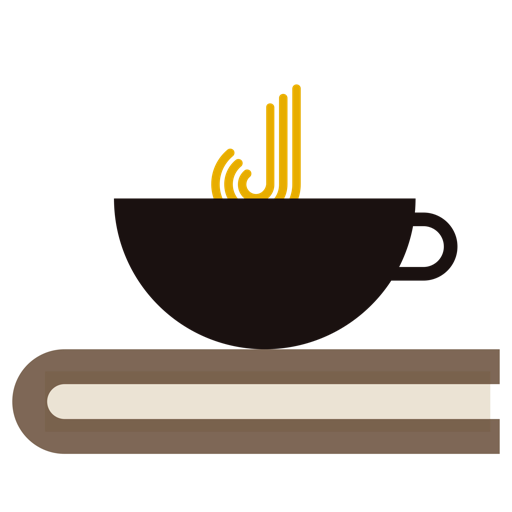
I’ve always loved tea. I’m obsessed with it in the way some people are with coffee, and my friends and family know better than to get between me and my first cup, or second, or third. It’s a small ritual that brings pause and presence. Including it in my logo wasn’t a branding strategy so much as an honest reflection of how I move through the world.
One lesson from earlier website projects was the importance of simplicity. A logo needs to function at every scale, including as a favicon, that tiny image on a browser tab. I distilled mine to a basic cup shape, added my initial “J” rising in the steam, and grounded it all on a book.
Titles, Language, and a Changing World
I also enjoy a good pun, which explains the original title of this post. At the time, that felt harmless and fun. But I’ve come to the point where visibility and reach feel urgent. The way content is discovered, interpreted, and surfaced has transformed.
AI now plays a significant role in how writing is found and shared. Titles are no longer just invitations to human readers; they’re signals to systems that translate, categorize, and contextualize our work. Being seen in this environment requires at least a passing fluency in machine and algorithmic language.
That doesn’t mean personality has no place. It means we have to be more deliberate if readers are to find us.
Renaming this post was part of that reckoning. The subject was never really logo design. It was about choosing visibility, claiming identity, and recognizing when it’s time to take a more confident step forward.
Choosing How to Be Seen
Writing can be a terrifying process. It strips you bare. It exposes your interior life. And it invites judgment of the most personal kind.
As I’ve moved from writing ‘a’ story to becoming a writer, my perspective has shifted. This revision reflects that change. It marks a point of maturity. I’m still learning, still revising, still evolving, but I’m doing so from intention rather than uncertainty.
Design choices will continue to change. Titles will evolve. The tools will certainly keep shifting. What matters is the willingness to revisit earlier decisions and ask whether they still serve the work, and the person doing it.
Identity isn’t static if you keep growing.
At some point, every writer has to decide when they are no longer trying to be a writer and are instead willing to be seen as one. That decision shows up in unexpected places—on the page, in revision, and sometimes in small, practical choices we didn’t realize carried meaning.
If you’re navigating similar questions about identity, visibility, or creative growth, you might enjoy my newsletter. I use it to share reflections from inside the work—what’s shifting, what’s holding, and what I’m learning as I go.
And if you’ve discovered a hard-earned truth about writing along the way, I’m always adding to my Wicked Good List of Universal Truths About Writing Fiction. You’re welcome to suggest one.